If a fire breaks out in your warehouse tonight, will the rolling shutter between your storage and production areas actually hold back the flames — or just look like it does? That question keeps facilities managers awake, and it is exactly the one a fire-rated roller shutter is built to answer.
A fire-rated roller shutter is a certified closing device that maintains a tested fire-resistance rating from 0.5 hours up to 3.0 hours (per China’s GB 14102-2005 standard) to compartmentalize a building during a fire, slowing the spread of heat, flame, and smoke so people can escape and firefighters can work. It is not a standard roller shutter with a fire-resistant paint job — it is a different product, made, tested, and labeled to a legal standard.
This guide is the hub for everything RHIDOOR publishes about fire-rated shutters. Below you will find the rating system explained in plain language, the five ratings buyers actually specify, where these doors belong in a building, how they get installed and accepted, and how to keep them working for decades. Use it as your reference, then follow the internal links to the deep-dive articles on each sub-topic.
Key takeaways
– A fire-rated roller shutter is certified to GB 14102-2005 and rated by how long it holds back fire — typically 0.5h, 1.0h, 1.5h, 2.0h, or 3.0h.
– Ratings split into three performance classes: integrity (E), insulation (I), and smoke control (S). A “super” (特级) shutter meets all three.
– The most common industrial spec is F2 (≥2.0h) for general fire compartments and F3 (≥3.0h) for large or high-risk spaces.
– Correct lintel, guide rail, and wiring installation decide whether the certificate survives contact with a real fire — not the curtain alone.
– RHIDOOR builds fire-rated shutters to order with 1-piece MOQ, 15-day lead time, and 200+ RAL colors, and supports on-site installation guidance.
What Is a Fire-Rated Roller Shutter?
A standard roller shutter closes a opening for security, weather, or privacy. A fire-rated roller shutter does that and performs a life-safety job: when the building’s fire detection system triggers it (or when its built-in thermal release melts at about 73°C), the curtain drops and seals the opening to a tested standard.
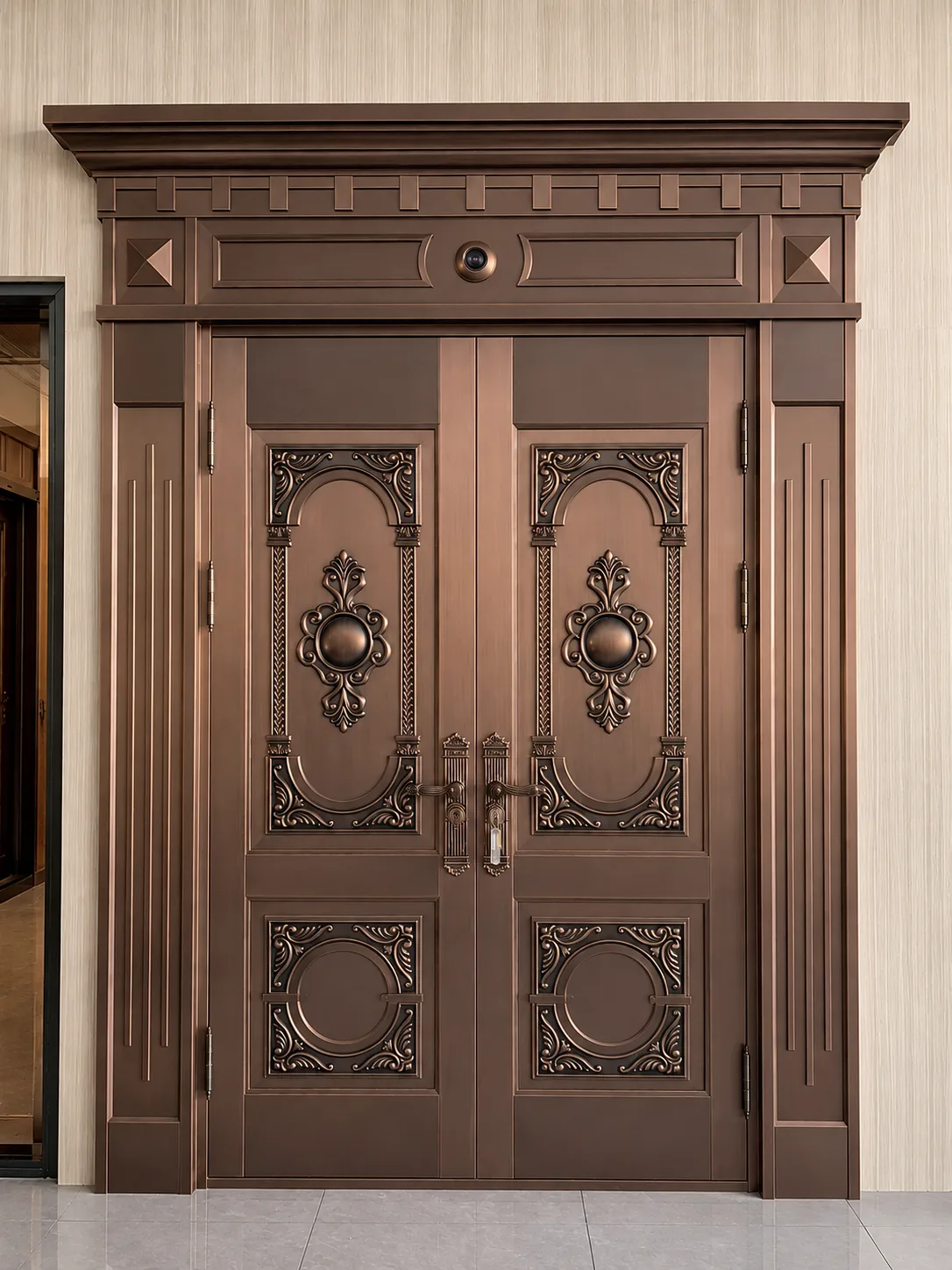
The difference shows up in three places a buyer can verify:
- Materials. Fire curtains use steel slats, or an inorganic fiber composite reinforced with stainless wire, not the thin aluminum or PVC of a standard shutter. See what fire-rated roller shutter doors are made of.
- Hardware. They ship with a certified motor, a thermal release device, and (on smoke-control models) sealed guides that limit leakage to ≤0.2 m³/m²·min.
- Paperwork. Every unit references a test report to GB/T 7633 (the fire-resistance test method) and a classification to GB 14102-2005. No report, no rating — regardless of how the door looks.
If you are new to the category, start with our plain-language explainer: what is a fire-rated roller shutter?
Fire Ratings Explained: 0.5h to 3.0h Under GB 14102-2005
Fire ratings are simply a clock. They tell you how long the shutter is proven to hold back fire under a standard furnace test before it fails one of its performance criteria. In China the governing standard is GB 14102-2005《防火卷帘》 (Fire Resistant Shutter), tested under GB/T 7633 (fire-resistance test method for doors and shutters).
| Rating | Holds back fire for | Typical use |
|---|---|---|
| 0.5h | 30 minutes | Small service openings, low-risk rooms |
| 1.0h | 60 minutes | Corridors, minor compartment lines |
| 1.5h | 90 minutes | Stairwell separations, equipment rooms |
| 2.0h (F2) | 120 minutes | Standard industrial fire compartments |
| 3.0h (F3 / 特级) | 180 minutes | Large warehouses, high-bay storage, malls |
Three performance classes you must read on the label
A time rating alone hides what the door actually protects against. The standard defines three criteria:
- E — Integrity. The curtain does not crack, split, or let flames through. Every fire-rated shutter meets this.
- I — Insulation. The unexposed face stays below a set temperature, so the fire cannot cook the contents on the other side. Required for “super” (特级) shutters.
- S — Smoke control. Guides and seals limit smoke leakage. Measured as ≤0.2 m³/m²·min on smoke-control models.
A basic steel shutter (GFJ) typically carries E only. A composite (WFJ) adds smoke control. A super shutter (TFJ) delivers E + I + S and is the only type that satisfies the strictest compartment requirements without a separate sprinkler backup. Our article on fire-rated roller shutter parameter classification breaks the codes down further.
Story: Sarah manages a third-party logistics warehouse in Johor Bahru. Two weeks before a client fire audit, she pulled the certificates on the 14 shutters her contractor had installed and found seven carried only a 1.5h label — but the fire plan for the battery-storage zone required 3.0h. The contractor had substituted a cheaper curtain to protect his margin. She had to replace all seven at her own cost. The lesson stuck: the rating on the certificate, not the price on the quote, is what the inspector reads.
F2, F3, and the “super” class
You will see shutters labeled F2 (≥2.00h) and F3 (≥3.00h). These are the two certified grades under GB 14102-2005 for steel and composite curtains. A 特级 (super) shutter is the top tier: it meets integrity, insulation, and smoke control simultaneously and can reach 3.0h — some manufacturers certify up to 4.0h. For most factories and warehouses, F2 is the workhorse and F3 is the upgrade for large or high-risk compartments.
Types of Fire-Rated Roller Shutters
Not every fire-rated shutter is built the same way. The three families map to different sites and budgets:
- Steel fire shutter (GFJ). Solid galvanized or stainless steel slats. Strong, economical, integrity-rated, and ideal for factories, loading docks, and equipment rooms. See how to buy a steel fire-rated roller shutter.
- Inorganic fiber composite (WFJ). A flexible fabric curtain with embedded stainless wire, lighter on the building structure and often paired with smoke-control sealing. Common in malls and underground garages.
- Super fire shutter (TFJ). Steel-framed with a composite curtain that adds insulation. Used where the unexposed side must stay cool — think cold storage next to a production line, or a data hall wall.
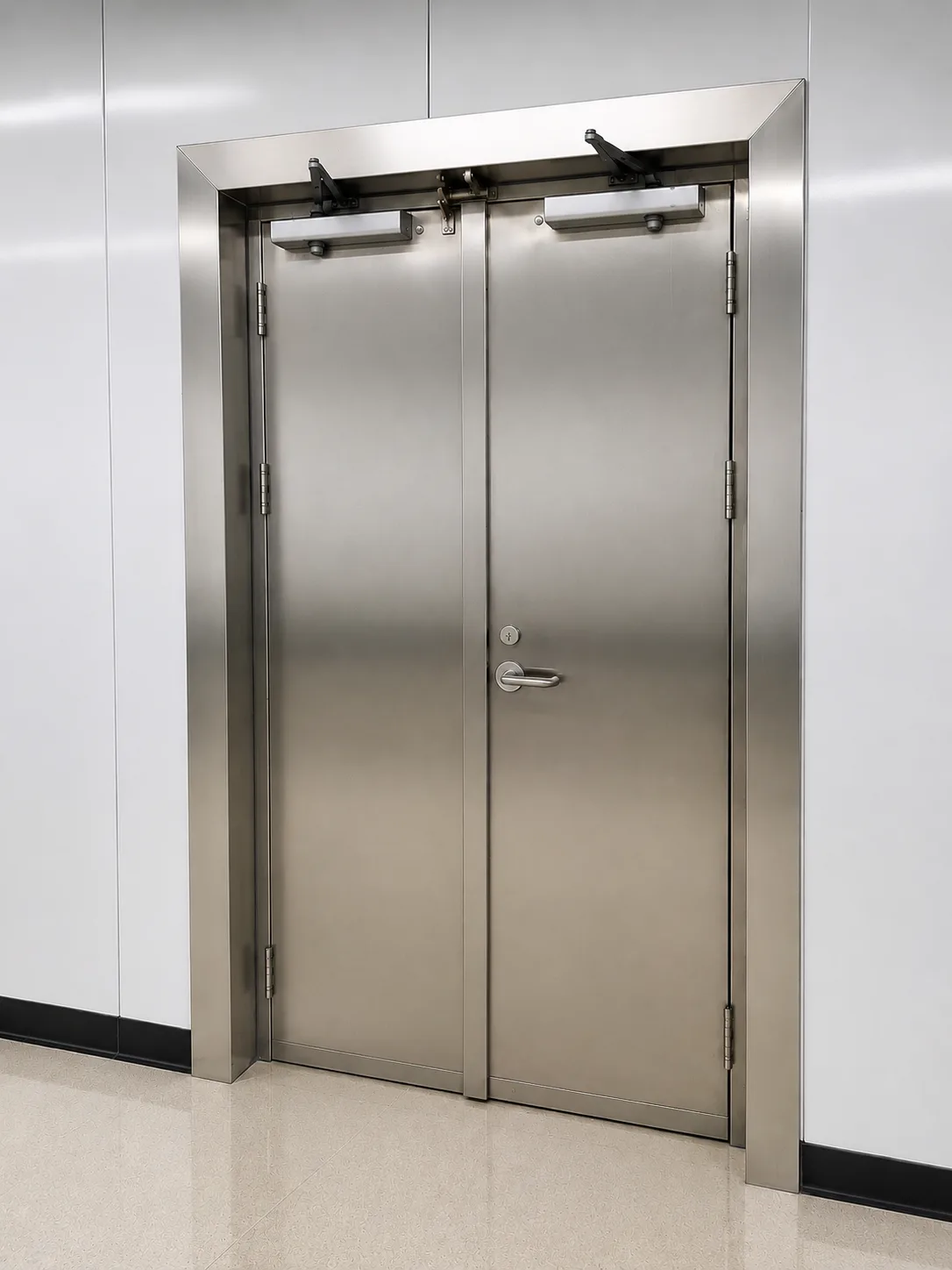
For the full menu of configurations — vertical, side-coiling, and horizontal — read our types of fire-rated roller shutters guide.
Want to see how RHIDOOR engines each curtain to a specific rating and opening size? Explore our steel fire-rated shutter options →
Where Fire-Rated Shutters Belong
Placement is a code question, not a decoration question. Fire-rated shutters sit on the fire compartment boundaries — the invisible lines that keep a fire in one zone. Common placements:
- Factory plants — between production and storage, or around hazardous process areas.
- Warehouses & logistics centers — across large spans to stop a pallet fire from sweeping the whole building.
- Shopping malls & supermarkets — at tenant boundaries and over escalator voids.
- Underground garages — at the line between the parking deck and the building’s occupied floors.
- Stairwells & equipment rooms — smaller 0.5h–1.5h units protecting escape and utility spaces.
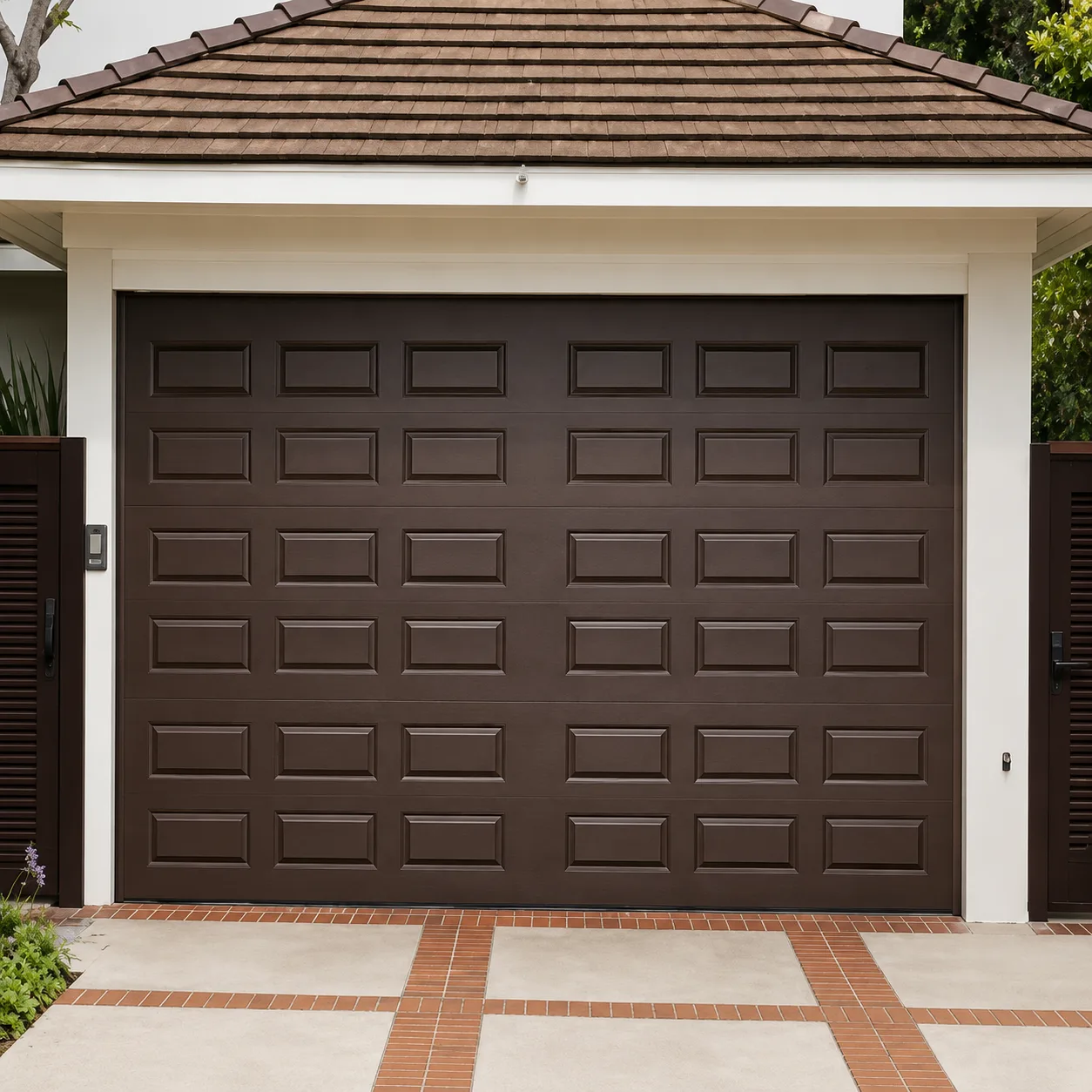
Our dedicated article on where to place fire-rated roller shutters maps each scenario to the right rating. And fire-rated roller shutter size, material & installation covers how opening dimensions drive the spec.
Story: A Malaysian cold-chain operator wanted to save money by fitting a standard high-speed door at the boundary between his −18°C store and the ambient dispatch area, then “add a fire label later.” Our engineer pushed back: a PVC curtain melts in seconds and would never meet even 0.5h. They installed a 2.0h steel shutter instead, with the high-speed door set behind it for daily traffic. Six months later a forklift battery fire in dispatch was contained to that one room. The “expensive” door paid for itself in one incident.
How to Choose the Right Rating
Pick the rating from the fire plan, not from the budget. Work through these steps:
- Get the fire compartment drawing. Your local code or fire consultant defines the required resistance time for each boundary.
- Match rating to risk. Small rooms → 0.5h–1.0h. Standard compartments → 2.0h (F2). Large, high-bay, or high-value spaces → 3.0h (F3/特级).
- Decide on smoke control. If the boundary protects an escape route or an occupied floor, choose a smoke-control (S) or super (TFJ) model.
- Confirm opening size & structural load. Wide spans need reinforced guides and a stronger barrel — factor that into the quote.
- Verify the certificate. The test report must name the exact model and rating you are buying.
Which fire-rated roller shutter is worth buying walks through a real selection, and material knowledge before buying a fire-rated shutter explains the trade-offs.
Installation Essentials
A certificate is only as good as the install. Three points fail most often on site:
- Lintel & curtain quality. The head box and curtain must seat flush against a fire-rated lintel. Gaps let heat and smoke bypass the curtain. Our piece on steel fire shutter curtain & lintel quality shows what “flush” looks like.
- Site wiring. The motor, thermal release, and fire-alarm interface need clean power and correct control logic. See fire-rated roller shutter site wiring and control box notes & wiring.
- Drop sequence. On a grouped opening, the shutter must release and close in the order the fire plan assumes.
Follow the step-by-step fire-rated roller shutter installation and the installation notes before your contractor breaks ground. General electric shutters follow the same logic — see how to install an electric roller shutter gate.
Ready to specify your fire compartments? RHIDOOR engineers return a shop drawing within 48 hours of receiving your opening dimensions. Request a quote →
Acceptance & Testing
Acceptance is where the rating becomes real. On handover you should witness or document:
- Visual & dimensional check against the approved drawing (inspect the installed fire-rated roller shutter).
- Drop test — trigger the thermal release or fire-alarm input and confirm full closure.
- Certificate match — model, rating, and serial on the unit match the test report.
- Seal & guide check on smoke-control models.
Our fire-rated roller shutter acceptance testing checklist is the field reference buyers use. Quality and installation of fire-rated roller shutters ties it back to manufacturing.
Maintenance & Common Faults
Fire-rated shutters fail silently when ignored — a seized barrel or a dead thermal release will not show until there is a fire. A simple plan keeps them honest:
- Monthly: trigger a test drop (or a manual release) and confirm full travel.
- Quarterly: inspect guides, slats, and the motor for corrosion or debris.
- Annually: have a technician verify the fire-alarm interface and re-lubricate the barrel.
Common faults and fixes are catalogued in common fire-rated roller shutter faults & repairs and the fault Q&A. For all shutter types, maintenance that extends roller shutter life is the broader playbook.
Story: A food plant in Taguig, Philippines, treated its fire shutters like any other door — open, close, ignore. During a routine inspection the technician found the thermal releases on two units had corroded solid. They would never have dropped. A same-day swap and a written maintenance contract later, the plant passed its renewal. The cost of the fix was trivial; the cost of finding out during a fire would not have been.
Buying Tips: Choosing a Maker
The shutter is only as trustworthy as the factory behind it. When you shortlist a supplier, check:
- Real test reports to GB 14102-2005 / GB/T 7633, naming the exact model you buy.
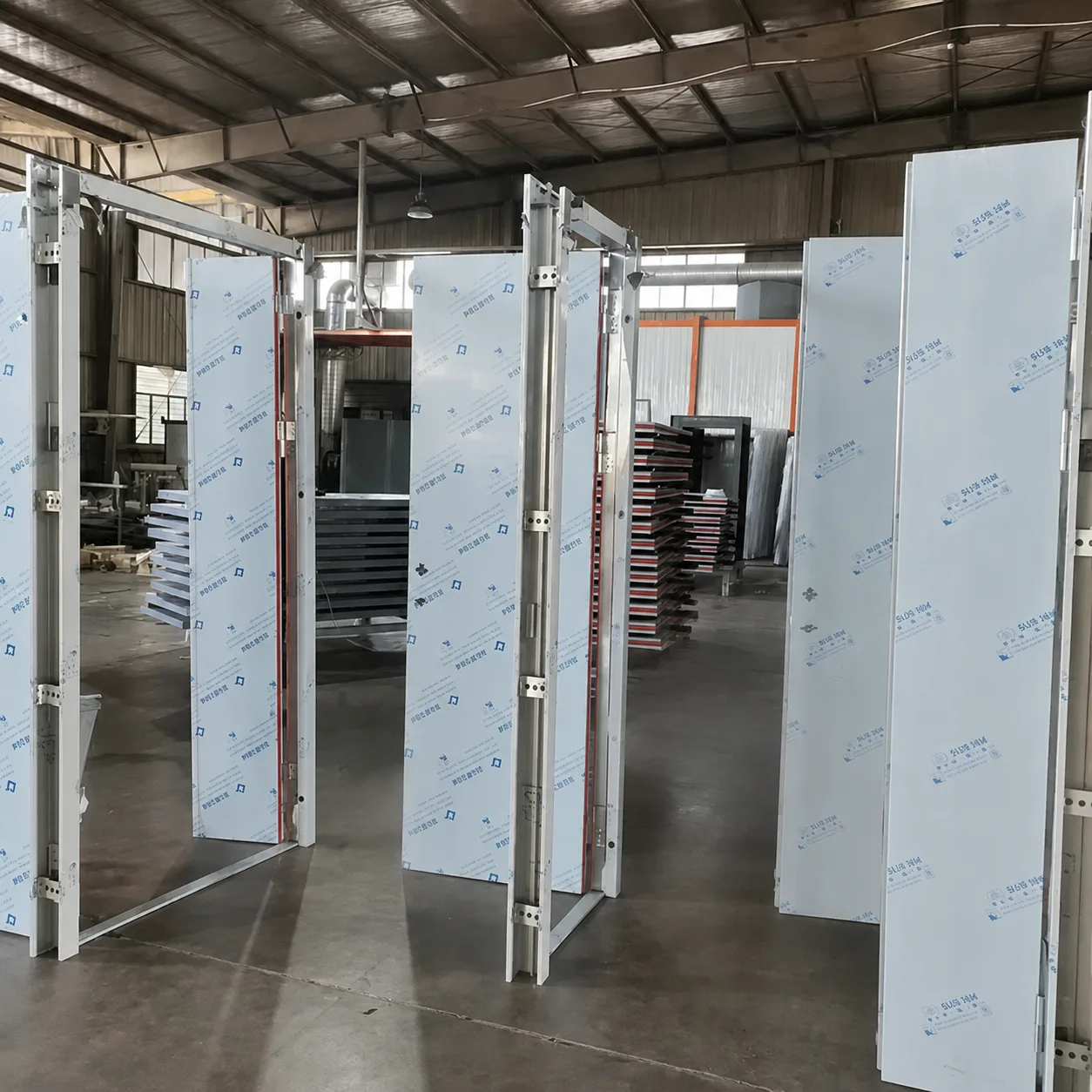
- Production control — ask for the workshop photos and QC records (fire door manufacturing workshop).
- Lead time & MOQ — RHIDOOR ships from 1 piece with a 15-day standard lead and 200+ RAL colors, which matters for retrofits and small batches.
- Installation support — drawings, wiring guides, and remote assistance.
Compare makers using four points when choosing a wholesale shutter maker, a reliable fire-rated shutter maker at a fair price, and where to buy fire-rated shutters wholesale. Start with the RHIDOOR fire-rated roller shutter manufacturer page.
Conclusion
A fire-rated roller shutter is a life-safety device with a clock attached: 0.5h, 1.0h, 1.5h, 2.0h, or 3.0h of proven protection under GB 14102-2005. Pick the rating from your fire plan, choose the right family (steel, composite, or super), install it flush against a rated lintel with clean wiring, then test it on a schedule so the certificate means something on the day it matters. RHIDOOR builds these to order — 1-piece MOQ, 15-day lead, 200+ RAL colors — and backs every unit with installation guidance.
Get a certified fire-rated roller shutter quote → Contact RHIDOOR and receive a shop drawing within 48 hours.