What Each Material Does
You choose a curtain by what the opening asks of it. Aluminium slats stay light and quiet, so they suit doors that open and close all day. Steel slats take hits and heavy traffic without bending. PVC costs the least and fits shops where looks and budget matter more than brute strength. 304 stainless shrugs off rust in wet, salty, or food-grade spaces.
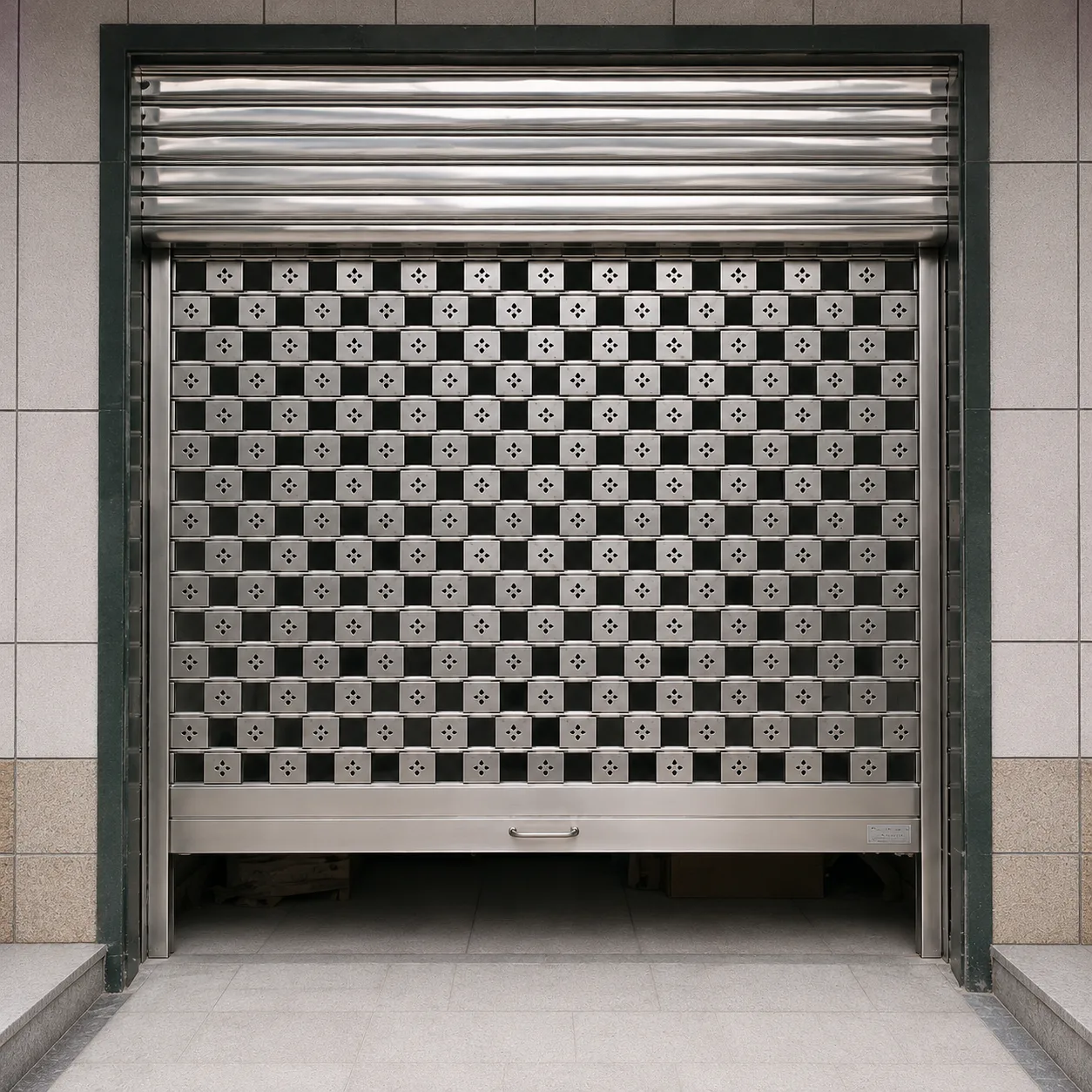
All four hang on the same motor and track. The material you pick changes the running feel, the load on the motor, and how long the shutter lasts far more than the motor does. If you size the motor to the curtain, you avoid strain and noise later. Think of the curtain as the working part. The box, the motor, and the slats all follow from it.
Weight and Cost
Aluminium lands in the middle. You can still lift it by hand if the power drops, and it spares the motor. Most shops find the price fair for the life it gives.
Steel weighs the most. It needs a bigger motor and a stronger frame, and that adds to the bill. You pay for toughness, not a bargain. Fit it where security matters more than smooth looks.
PVC is the lightest on the wallet. It keeps a small kiosk or stall affordable, as long as nobody tests its strength. It also runs the quietest, which helps in homes or clinics.
304 stainless asks the most up front. You buy it for the years it survives, not for a low sticker price. On a coastal or wash-down site, that maths works out over time.
Corrosion and Environment
Aluminium shrugs off rain and sun with little care. It serves most street-facing shops well.
Steel rusts once its coating breaks. Keep it dry, fix chips early, and it holds. Leave it, and it stains.
PVC ignores moisture but dislikes long heat and hard sun. It suits indoor spots or shaded fronts.
304 stainless is the coastal pick. Salt air that scars other metals leaves it clean. Near the sea, this is the one to watch. Its finish stays bright without paint, which keeps a front looking new.
Which Opening Wins
A shopfront with normal foot traffic? Aluminium gives the best balance of cost, weight, and life.
A warehouse or loading bay under daily knocks? Steel earns its keep.
A market stall or kiosk on a tight budget? PVC keeps the cost down.
A kitchen pass, a coastal café, or a clean room? 304 stainless pays off over time.
Match the curtain to the site, not the other way round. For the full picture, open our electric roller shutter material guide, and browse our roller shutters to see each curtain built.
This guide compares electric roller shutter materials head to head. For the definitive recommendation on which material actually wins for your opening, see our main guide: Which Material Is Best for Electric Roller Shutters.
Ready to spec your shutter? RHIDOOR builds each curtain to your opening with MOQ 1 pc and a 15-day lead time.
Talk to us before you order:
- Tel: +86 18938501256
- WhatsApp: wa.me/8618938501256
- Email: ruihua@rhidoor.com
Related Articles
- Which Material Is Best for Electric Roller Shutters?
- Choosing the Right Material for Your Electric Roller Shutter
- Materials to Consider Before Buying a Roller Shutter
- Material Knowledge and Function to Know Before Buying a Fire Rated Roller Shutter
You don’t need a big order to move fast — we take orders from 1 pc and ship within 15 days, every time.
Ready to upgrade your facility? Let our experts help you find the perfect RHIDOOR solution for your application. Contact Us Today
Related Articles
- complete industrial roller shutter guide
- pick the right roller shutter material
- materials to consider before buying a roller shutter
- best material for electric roller shutters
- materials fire-rated roller shutter doors are made of
- Aluminium vs steel: which shutter material wins
Fire-rated roller shutters come in two types: steel and inorganic-fabric. The inorganic type splits into rolled and lift types; the rolled inorganic-fabric shutter is the common one.

a. Steel fire-rated shutter is made of steel, two steel layers with aluminum silicate in between; that’s the composite steel fire-rated shutter.
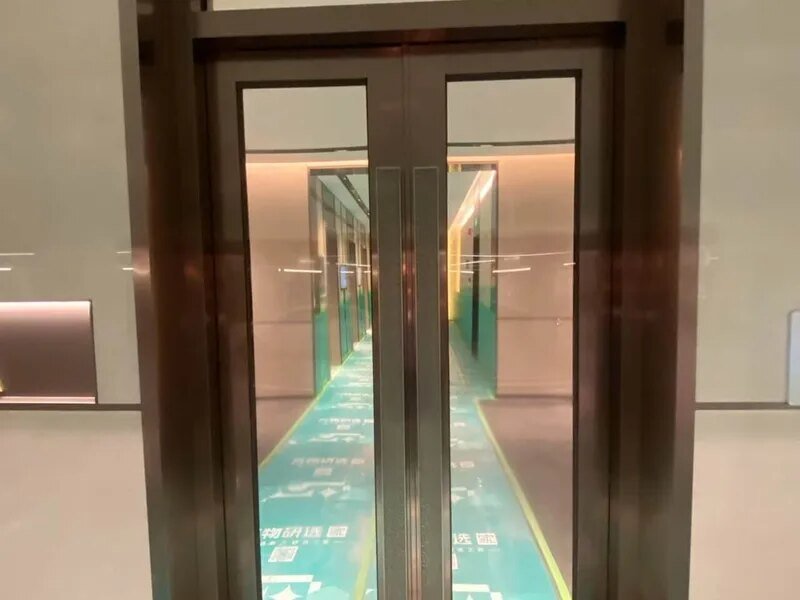
b. The inorganic-fabric shutter curtain is a non-metal material treated and sewn; flexible and high tensile. Against the steel shutter (with sprinkler), its premium version beats it on corrosion and moisture resistance and on fire performance. Large malls, offices, and subway stations commonly install it. It resists high heat, has a thin curtain that takes little space, and runs quietly.
Lift fire-rated shutter uses the lift method, made of inorganic fabric. Good for large, long openings, best above 10 m. Curtain weight no more than 5 kg/m², one fifth of steel, lowering the load demand on the building.
Rolled fire-rated shutter uses inorganic fabric in drum form; simple and easy, one of the most used. Best within 10 m openings. Thin non-metal curtain, little space, raises usable space in the same building, and lowers the ceiling-height demand. No water curtain needed; no supply pipes or control gear, less fire water, and a much lower project cost.
Related Articles
- Fire-Rated Roller Shutter Quality and Where to Install
- Material Knowledge and Function to Know Before Buying a Fire-Rated Roller Shutter
- What Is a Fire-Rated Roller Shutter?
- Materials to Consider Before Buying a Roller Shutter
Related Articles
- complete fire-rated roller shutter guide
- what is a fire-rated roller shutter
- materials fire-rated roller shutter doors are made of
- fire-rated vs ordinary roller shutter
- high-speed vs ordinary roller shutters
- Fire-rated vs ordinary: pick the right type
Buy with more confidence once you know the basics. Before you order an industrial roller shutter, understand what it is, the types on the market, and what each one does well. Many buyers meet these doors for the first time at a spec stage, but the range is narrower than it looks, and the advantages are real. RHIDOOR laid out the rundown below.

What Is an Industrial Roller Shutter?
You see these doors in factories, workshops, and warehouses. They are built solid and durable, start fast, and run quiet. A motor drives them, with a manual backup if power drops. They let in light, look clean, and stay safe. Against other lift doors they save interior space and go in easier, and a light knock springs them back without a dent.
Industrial Roller Shutter Types
Two types cover most sites.
a. High-speed shutter. Built from a PVC soft curtain, it opens and closes fast for efficient traffic. It blocks wind, sound, odor, dust, and still passes light. You find it in food, textile, printing, and precision-machine rooms. It suits high-throughput logistics, cuts energy loss, and helps the air conditioning keep up. It cannot serve as an outdoor door because it will not stop a thief, so its use stays indoors.
b. Aluminum alloy shutter. Common because it performs better and spans wider. It resists rust, corrosion, and impact. Solid and good-looking, it also deters theft, so it is the safer pick.
Industrial Shutter Advantages
These are the gains you get with a well-built unit.
a. A powder coat keeps the door bright and resists scratches and rain, so it lasts. The largest units now reach 65–70 m² and hold wind resistance up to level 10, which keeps the opening safe.
b. A second roll-shaft safety design and a tooth-hook joint pull the slats tight. That cuts gaps, noise, and wear.
c. An auto-balance structure lowers the noise from door-rail contact, protects the motor, and extends its life.
d. Wireless remote control works within 30 m in the open.

Related Articles
- Advantages of the Fire Rated Electric Roller Shutter RHIDOOR Will Build After the Post-Epidemic Return to Work
- Standout Advantages of Crystal Roller Shutter Doors
- Repair Methods for Different Roller Shutter Types
- What Is a Fire Rated Roller Shutter?
Choosing an industrial roller shutter for your site? RHIDOOR builds to spec with a 15-day lead time and MOQ 1 pc, and we give on-site guidance, not just a product. Call +86 18938501256, reach wa.me/8618938501256 on WhatsApp, or email ruihua@rhidoor.com.

Related Articles
- complete industrial roller shutter guide
- high-speed vs ordinary roller shutters
- four control methods for high-speed roller shutters
- wind-resistant high-speed roller shutters
- what is a fire-rated roller shutter
RHIDOOR compiled these new specification requirements so you can read a fire rated roller shutter quote with confidence. They split into steel shutter requirements and inorganic-fabric shutter requirements. The inorganic-fabric list below is what we apply on premium builds; the steel list follows the same discipline.

Fire Rated Shutter Specifications: Inorganic-Fabric Build
- Curtain fabric. Raw materials meet health and environmental rules, with no banned substances.
- Curtain face, drum, and fixings. Standard technical requirements apply to each.
- The inorganic composite curtain face must not wrap the drum directly. It links through fixings.
- Rails and embedded steel. Rails fix firmly on site; embedded steel sits 600–1000 mm apart. On vertical shutters, rail verticality error against the base stays at or under 1.5 mm per meter and 20 mm over full length.
- Lintel and embedded steel. Fitted firmly, with embedded steel 600–1000 mm apart.
- Bottom bar. It runs parallel to the floor with even contact, and its stiffness exceeds the curtain face with a firm connection.
- Drive. Sprockets, chain, and bearings built to spec. Roller chain and sprocket dimensions and tolerances follow standard chain specs; static strength and the chosen safety factor stay above 4. Drive, bearing, and chain surfaces are free of rust, with proper lubricant. On a vertical shutter, drum deflection in normal use stays below 1/400 of drum length. A side-coiling shutter drum stands perpendicular to the base, with verticality error below 1.5 mm per meter and below 5 mm over full length.
Related Articles
- What Is a Fire Rated Roller Shutter?
- Fire Rated Roller Shutter Quality and Where to Install
- How Many Types of Fire Rated Roller Shutters Are There, and Which Is Most Common?
- Quality Requirements for Steel Fire Rated Roller Shutter Curtain Plates and Lintels
Need the full spec sheet for your fire rated roller shutter? RHIDOOR builds to these requirements, ships within 15 days from MOQ 1 pc, and guides your team on site. Call +86 18938501256, message wa.me/8618938501256 on WhatsApp, or email ruihua@rhidoor.com.
We take orders from 1 pc and ship within 15 days, with on-site guidance at install so your roller shutter goes in right the first time.
Related Articles
- complete fire-rated roller shutter guide
- fire-rated roller shutter parameter classification
- fire-rated roller shutter parameters and applications
- materials fire-rated roller shutter doors are made of
- industrial roller shutter types and advantages
An aluminum roller shutter does more than cover an opening. The slat profile, the finish, and the way it is fitted decide how it looks and how long it lasts. RHIDOOR has laid out the profile range and the install steps below so you can specify with confidence. Our aluminum alloy roller shutter profiles take almost any color or surface film — wood-grain emboss, sand texture, you name it — and that helps a storefront stand out without extra cladding.
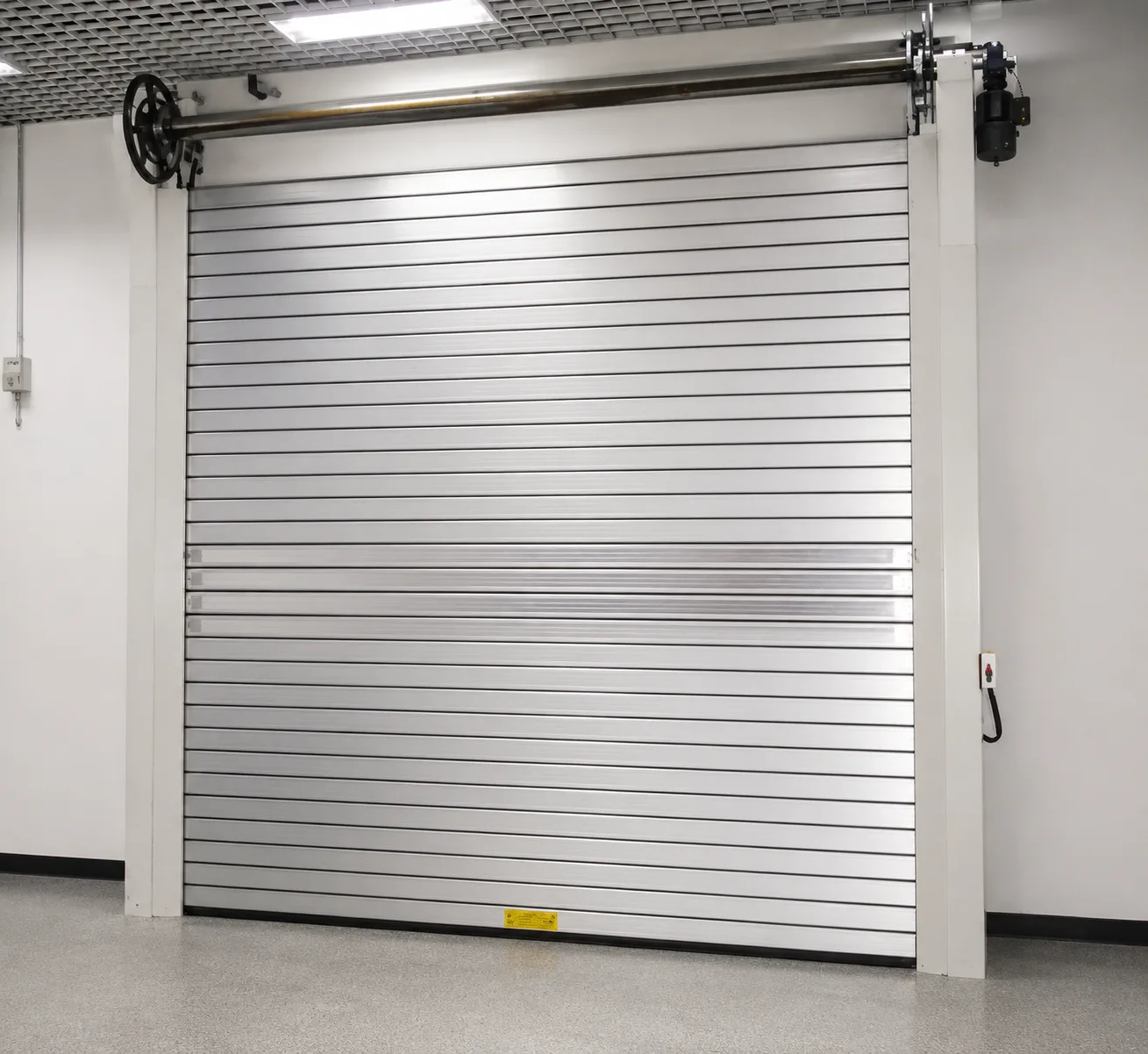
The curtain body blocks strong daylight and UV. That stops the greenhouse effect you get with clear glazing. The slats suit any climate and protect the indoor space year round. A closed curtain blocks sunlight completely and cuts transmitted heat by more than 95%.
Aluminum Alloy Roller Shutter Profiles
We build the curtain from extruded aluminum slats in these model widths: 77#, 65#, 55#, and 50#. We also offer perforated versions of the 77# and 50# slats when you need airflow with the door down. Match the width to your opening first — it drives everything else.
Two Common Profile Types
Two builds cover most jobs.
The 77# double-wall slat runs 77 mm wide and carries a noise-damping strip between slats, so travel stays quiet. A thickened, widened guide rail takes wind load on wide spans. We fit it on villa garages, shopfronts, and large factory or warehouse openings up to 8.5 m wide.
The 55# double-wall slat runs 55 mm wide and stays unperforated. A 20 × 2.3 mm vent slot at the hook lets in light and air, and the damping strip keeps it quiet. Keep the span at or under 4 m.
Aluminum Shutter Installation
Installation is on-site guidance, not just a product. Our technician walks your team through it. The steps below are what we follow on a typical job.
- Motor and drive. Hang the manual chain and bolt the motor to the mounting board. Link the chain to the wheel and to the motor base gear, then tighten every connection. Wire the remote box to the motor and check the travel direction with the hand control. If the door runs the wrong way, the remote receiver has a black button on its side — flip it to the other side.
- Shaft and curtain. Measure the main and sub boards to confirm size, then lay the shaft on the side plates. Mark a level line on the shaft and drill a 10 mm hole every 50 cm, keeping the row straight. Weld a 14 mm nut to the shaft, square to the hole, and make the weld solid. Line up the first slat’s center with the shaft hole and drill straight down with a 10 mm bit. You can also use self-tapping screws: thread the aluminum slats, cap both ends, and rivet as you go. After capping, loop a rope over the shaft and drill a hole in the curtain. Tie one end, have a helper hold the other, press Up to wind the curtain, and bolt it to the shaft level with washers. Pull it up tight.
- Rails and limits. Cut a V into one rail end and level the curtain. Set the upper and lower travel stops: the left pulley is the upper limit, the right is the lower.

Related Articles
- Fire Rated Roller Shutter Door: Size, Material, and Installation Steps
- Fire Rated Roller Shutter Quality and Where to Install
- Materials to Consider Before Buying a Roller Shutter
- Choosing the Right Material for Electric Roller Shutters
Ready to spec your aluminum roller shutter? Our team helps you match the right profile and walks your install crew on site. We build to order with a 15-day lead time and an MOQ of 1 pc. Reach us at +86 18938501256, on WhatsApp at wa.me/8618938501256, or by email at ruihua@rhidoor.com.

Related Articles
- complete industrial roller shutter guide
- install an electric roller shutter
- pick the right roller shutter material
- electric roller shutter material comparison
- steel fire-rated shutter curtain and lintel quality
- Aluminium alloy vs steel shutter profiles
The fire performance of a steel fire rated shutter depends on the quality of its curtain plates and lintel. How do you control that? RHIDOOR shares its in-house standards below.
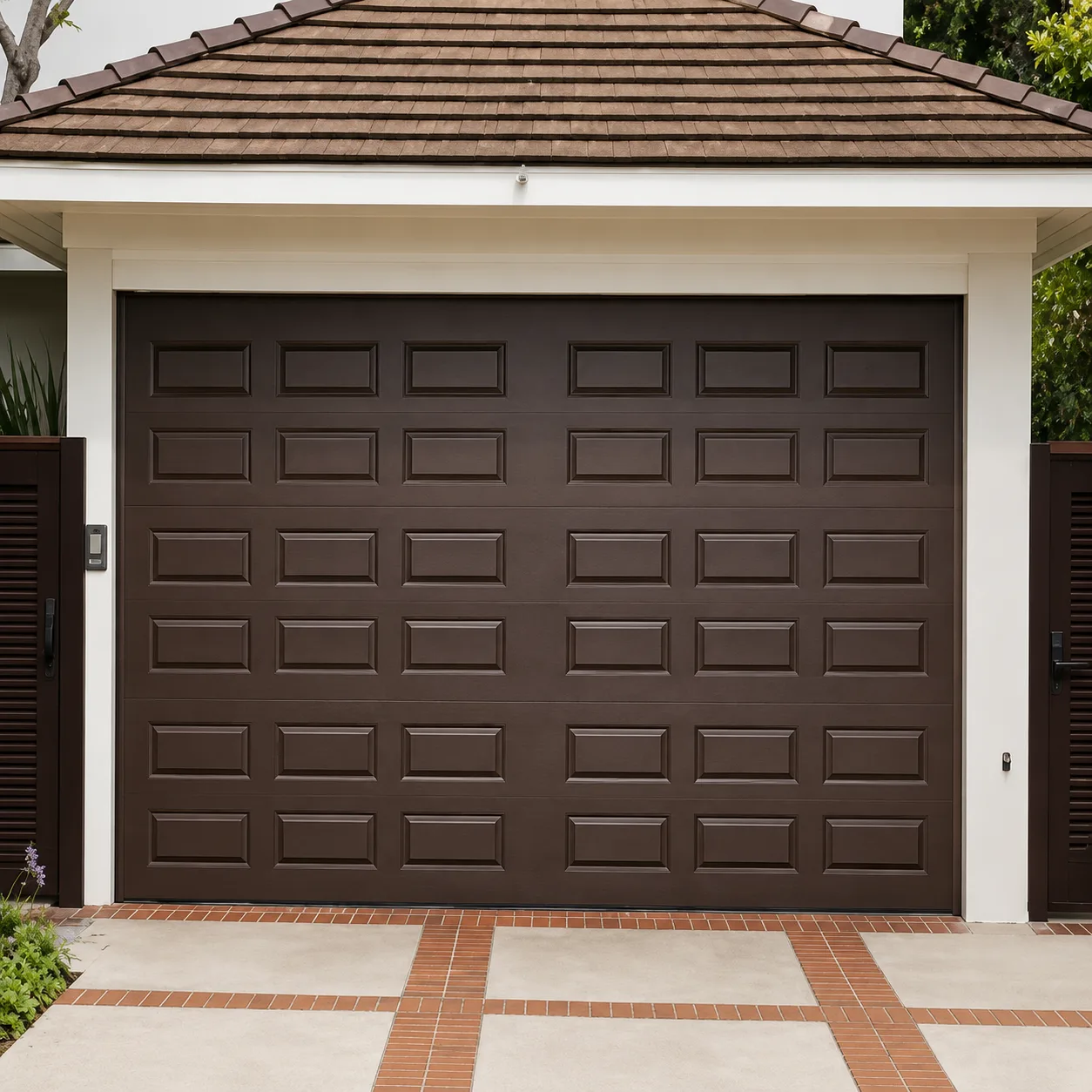
This guide covers steel fire shutter curtain quality and fire shutter lintel quality — the two checks that decide whether your fire rated roller shutter holds when heat hits.
Steel Fire Shutter Curtain Quality: Plate Requirements
Six rules govern the curtain plates:
- Adjacent interlocked plates must swing freely after linking, with no dropout at ±90° swing. Overlapping smoke-resistant plates must also show no dropout at ±90°.
- End baffles or anti-shift mechanisms must sit firmly. After assembly into a roll, plate shift must not exceed 2 mm.
- Plates must stay straight: no more than 1.5 mm per meter, and no more than 0.12% over the full length.
- After assembly, no holes or gaps allowed.
- For smoke-resistant plates, the contact face after the inner and outer nose hooks link must be curved and must contact within a 30° arc.
- After assembly, no tilt during operation; it must rise and fall parallel. Out-of-flatness stays within 1/300 of the opening height.
Fire Shutter Lintel Quality: Sealing the Smoke
Four rules govern the lintel:
- The lintel structure must block fire spread.
- A smoke-resistant lintel must carry a smoke device made of non-combustible material to stop smoke leaking out.
- The smoke device must contact the lintel seal face and curtain surface evenly. Contact area is no less than 80% of the opening width, and gaps in non-contact areas stay no more than 2 mm.
Fire Rated Roller Shutter: On-Site Lintel Fitting
On-site lintel fitting must be firm. Embedded steel parts sit no more than 600 mm apart. RHIDOOR sends installers who check this on the day, because a lintel that shifts defeats the whole fire rated roller shutter.
Related Articles
- Material Knowledge and Function to Know Before Buying a Fire Rated Roller Shutter
- Fire Rated Roller Shutter Door: Size, Material, and Installation Steps
- What Materials Are Fire Rated Roller Shutter Doors Made Of?
- What Is a Fire Rated Roller Shutter?
Ready to upgrade your facility? RHIDOOR builds steel fire rated roller shutters to spec — MOQ 1 pc, 15-day lead time — and we provide on-site guidance, not just a product. Reach our team at +86 18938501256, WhatsApp wa.me/8618938501256, or email ruihua@rhidoor.com.
Related Articles
- complete fire-rated roller shutter guide
- materials fire-rated roller shutter doors are made of
- material knowledge for fire-rated roller shutters
- fire-rated roller shutter quality and installation
- aluminum alloy roller shutter profiles
Fire safety keeps getting stricter, and routine inspections already check fire rated shutter facilities on a set schedule. The fire rated roller shutter acts as a fire and heat barrier across large openings — usually where a fire wall would be awkward: open elevator halls, escalators, wide department-store floors, and exhibition hall openings where fire doors and windows do not fit.
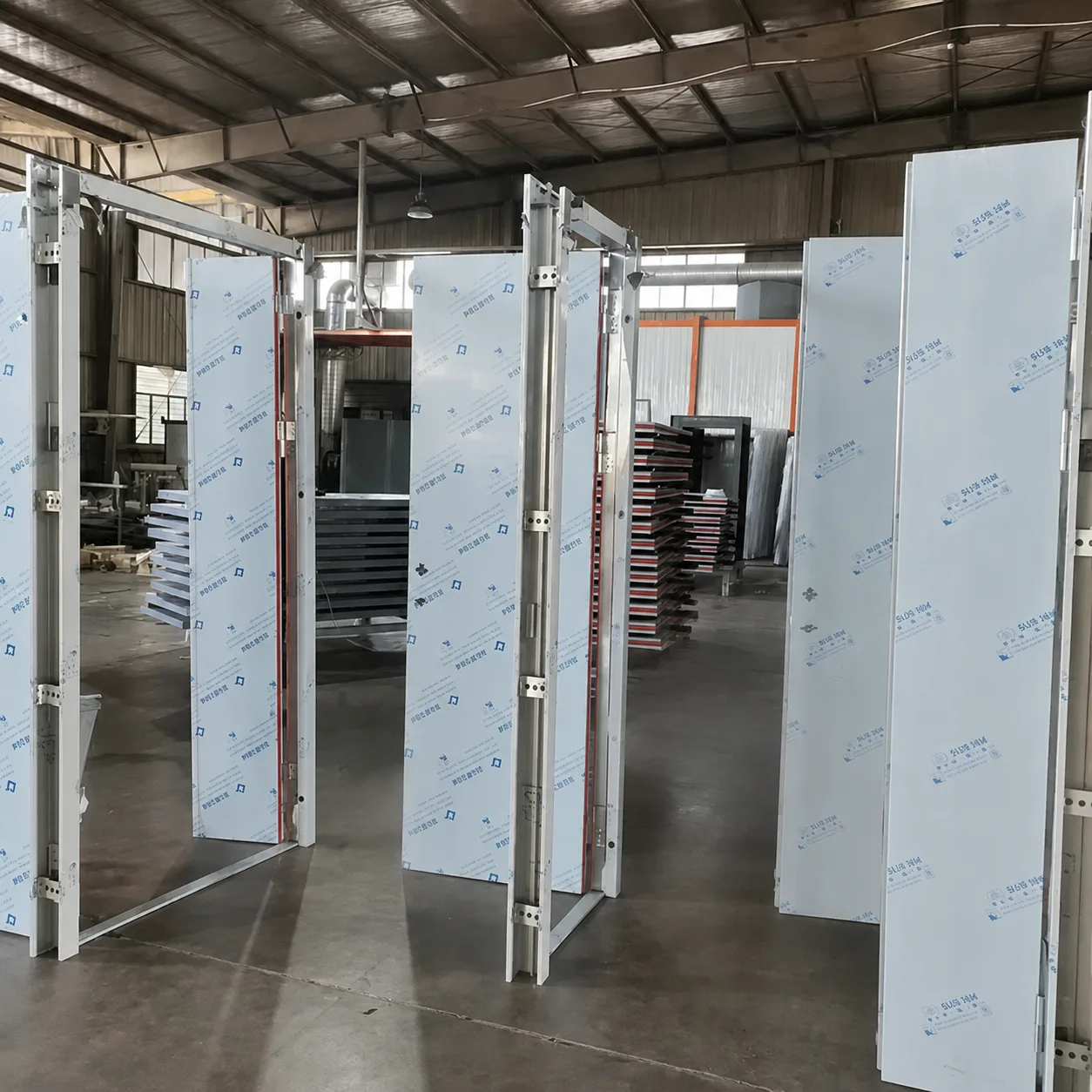
Before you buy, the material knowledge before buying fire rated shutter systems comes down to one rule: know the structure. This guide covers the fire rated shutter material choices that decide whether the door holds.
The Fire Rated Roller Shutter: Know the 13 Parts
Before you buy, understand the build. The door has 13 parts: curtain plate, bottom bar, rails, brackets, drum, housing, control box, motor, limiter, lintel, manual quick-release, button switch, and safety device. The body does the fire blocking; the lintel and rails do the smoke blocking. So when you buy, watch the material of the body, lintel, and rails. RHIDOOR supplies these as built-to-spec parts.
Curtain — the Core Fire Rated Shutter Material
RHIDOOR’s steel fire rated shutter uses 1.0 mm galvanized steel, filled with aluminum silicate cotton. The premium (inorganic) shutter uses a 4-layer build: 0.32 mm blue decorative cloth, 2.0 mm ceramic fiber cloth, 15 mm fire blanket, and 0.32 mm heat-radiation cloth. These materials hold a fire-resistance duration above 4 hours and sharply limit spread.
Lintel, Pre-Roll, and Bottom Beam
RHIDOOR fits 1.0 mm steel fire rated shutter slats as the lintel, which are fire- and smoke-rated. We design pre-roll in from the start — the pre-roll length reaches 500 mm, which cuts the pull on the first slat and stops the curtain from coming off.
The bottom beam is 40×70 mm at 1.5 mm, with a counterweight so the curtain drops by its own weight if the thermal fuse fails, bringing the door down faster.
Rails and Smoke Control
RHIDOOR uses two rail types: embedded (90 mm deep, 1.5 mm) and exposed (90 mm deep, 3 mm). Both carry anti-smoke strips that strongly limit smoke spread.
Curious what goes into the door? See what materials fire rated roller shutter doors are made of, then explore the fire rated roller shutter we build to spec.
Related Articles
- Fire Rated Roller Shutter Quality and Where to Install
- Materials to Consider Before Buying a Roller Shutter
- Which Material Is Best for Electric Roller Shutters?
- How Many Types of Fire Rated Roller Shutters Are There, and Which Is Most Common?
Ready to upgrade your facility? RHIDOOR builds fire rated roller shutters to your spec — MOQ 1 pc, 15-day lead time — and we provide on-site guidance, not just a product. Reach our team at +86 18938501256, WhatsApp wa.me/8618938501256, or email ruihua@rhidoor.com.
Related Articles
- complete fire-rated roller shutter guide
- materials fire-rated roller shutter doors are made of
- steel fire-rated shutter curtain and lintel quality
- fire-rated roller shutter size, material and installation
- materials to consider before buying a roller shutter
- Fire-rated vs standard shutter material notes
As high-rises multiply, fire risk is well known, and fire trucks cannot reach those heights — so fire equipment is a must. The fire rated roller shutter protects life and property. But not every “fire rated” shutter actually resists fire. A real one does, and unlike an ordinary shutter it also stops fire and smoke from spreading because it is built from fire-resistant material. The build and the materials differ too.
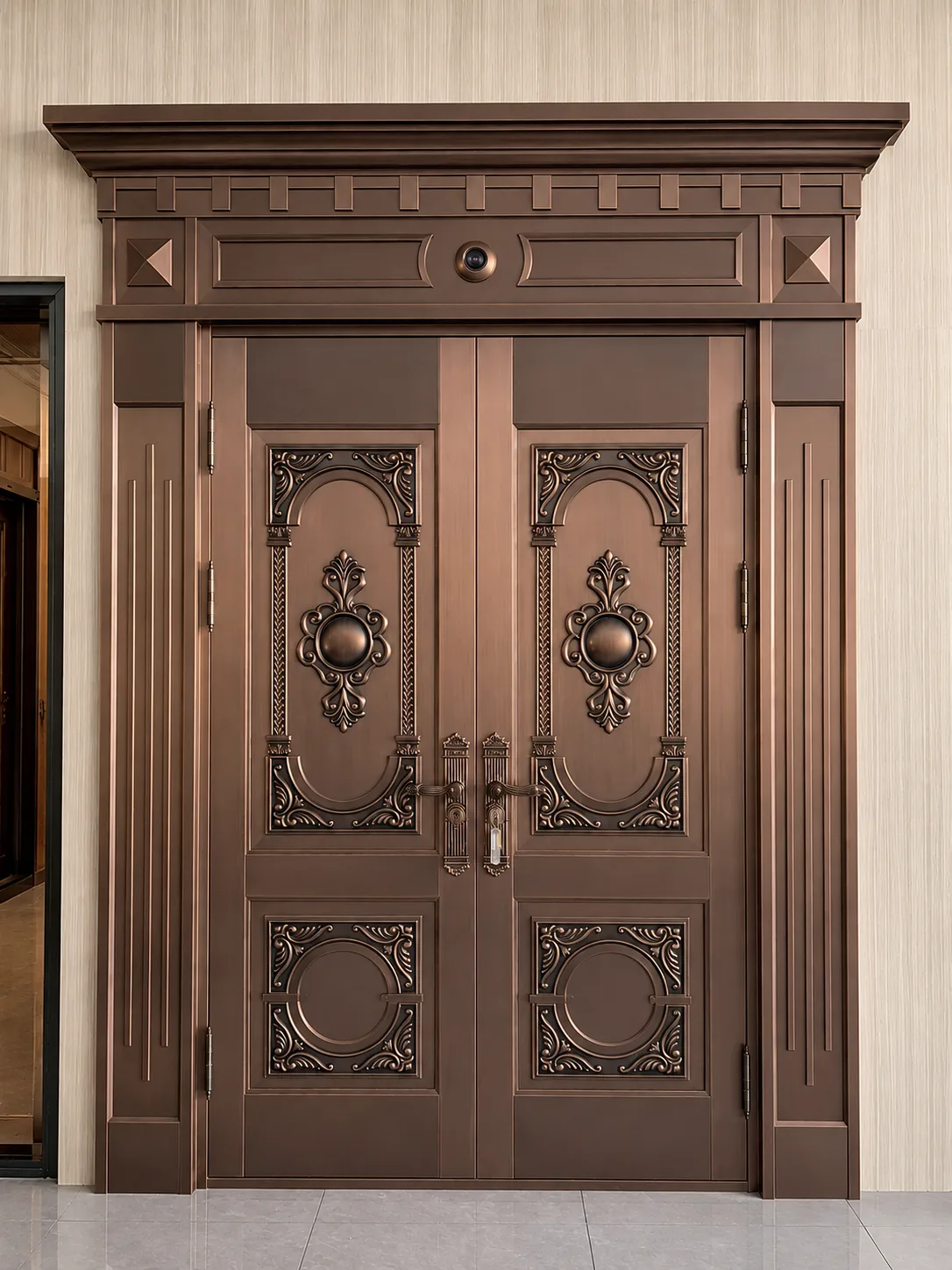
When you weigh a fire rated vs ordinary roller shutter decision, the difference shows up in both safety and look. This guide breaks down the fire rated shutter vs normal options so you can choose with eyes open.
Fire Rated Roller Shutter vs Ordinary Roller Shutter: The Material Split
For indoor high-rise partitions, you will use the inorganic-fabric fire rated roller shutter. Steel fire rated shutters generally do not suit those indoor splits. The section below shows what the inorganic-fabric build actually contains.
What the Inorganic-Fabric Shutter Is Made Of
The inorganic-fabric shutter stacks four jobs into its curtain:
- Top layer: a blue flame-retardant fiberglass cloth. It holds from −70°C to 230°C.
- Fire-resistant cotton: sits under the top cloth. A special-process material that barely burns and self-extinguishes once the source is gone.
- Fiber flame-retardant treatment: inorganic and organic polymers compound and interpenetrate, so the retardant sits in the fiber at nano scale. You keep the fiber strength and get low toxicity, low smoke, no melt-drip, and no harm to the environment.
- Refractory felt: made from calcined bauxite, spun and set. Low thermal conductivity and heat capacity, good thermal stability and impact resistance. Its tensile strength is low, but it insulates well, resists fire, and absorbs sound. It stands up to 1100°C–1260°C.
Ordinary Shutter Materials and Where They Fall Short
Ordinary shutters use stainless steel or PVC, hollow or transparent. They look far better than fire rated shutters but fall well short on safety. Which to buy is your call — it comes down to what you actually need.
Fire-Resistance Duration: The Real Divide
Fire rated shutters carry a rated fire-resistance duration; ordinary shutters carry none. Standard durations run 1.5 hours and 2.0 hours. Composite steel models reach 2.5 hours and 3.0 hours.
Older steel shutter grading does not require measuring the unexposed-side temperature rise. Newer rules make the unexposed-side temperature rise the judging condition when the shutter works as a compartment element. So a shutter that meets all judging conditions — including unexposed-side temperature rise — with a duration of 3.0 hours or more is a premium build. Any shutter tested without using unexposed-side temperature rise as the condition is an ordinary build.
Related Articles
- What Is a Fire Rated Roller Shutter?
- Fire Rated Roller Shutter Quality and Where to Install
- How Many Types of Fire Rated Roller Shutters Are There, and Which Is Most Common?
- New Technical Specification Requirements for Fire Rated Roller Shutters (Compiled with Care)
Ready to upgrade your facility? RHIDOOR builds fire rated roller shutters to order — MOQ 1 pc, 15-day lead time — and we provide on-site guidance, not just a product. Reach our team at +86 18938501256, WhatsApp wa.me/8618938501256, or email ruihua@rhidoor.com.
Related Articles
- complete fire-rated roller shutter guide
- types of fire-rated roller shutters
- which fire-rated roller shutter is worth buying
- fire-rated electric roller shutter advantages
- high-speed vs ordinary roller shutters
- Fire-rated vs standard roller shutter: the framework
After the post-epidemic return to work, the edge RHIDOOR’s fire rated electric roller shutter brings is better automatic control. Let’s get into the specifics.

The fast fire rated electric roller shutter earns its place in high-rise buildings. It seals off the fire source at stairwells or elevator lobbies and gives people a safe path out. In mid-size and large commercial buildings it also works as a fire wall. That role puts it at the center of building fire safety — and it is where the fire rated electric roller shutter advantages show up most. The notes below cover design, use, and installation.
The Fire Rated Roller Shutter: Three Control Methods
In high-rise homes and multi-story public buildings, you control the electric fast fire rated shutter three ways at once: automatic, local manual, and remote from the fire control room. Each method covers a failure mode in the others, so you do not want to run on just one.
How the Automatic Signal Drops the Shutter
The automatic signal starts with smoke and heat detectors on the ceiling on one or both sides of the shutter. The signal reaches the link control box, which sends the execute command to the shutter control box and raises or lowers the fast shutter.
Detector Placement at Elevator Lobbies
At the elevator lobby of a high-rise office or home, fire is more likely on the corridor side than the stairwell side. Put a pair of smoke and heat detectors on the corridor side, and one smoke detector on the inner elevator side. The two smoke detectors work together. When either one senses smoke, the door drops to 1.8 m above the floor. If the fire door between the lobby and the escape stairwell is also a shutter, fit a pair of smoke and heat detectors in the lobby to control that stairwell door too.
Control Voltage and Staged Drops
Watch the control voltage when you design the fire linkage. The shutter link control box is a signal output device; its working voltage is DC 24V, though some makers allow AC 36V and above for extra reliability. So the shutter carries two control voltages: DC 24V and AC 220V.
On a straight run inside one fire zone, one shutter dropping does not break the fire function. Smoke moves fast — after the first shutter drops, if the fire is not contained the smoke reaches the second shutter and drops it as well. A heat detector at that spot triggers the second-stage drop.
Grouping Several Shutters on One Run
When several shutters seal one straight fire-zone run, keep the detectors encoded in groups of three or fewer. When any pair signals, all three drop together. Then one link control box drives one shutter, and the rest sit on the automatic control line. Each shutter control box parallels the one driven directly by the link box.
Starting more than three at once draws a large current, so the relays, main switch, and wiring must scale up — wasteful, and it adds failure points that slow your fixes.
Post-Epidemic Shutter Advantages You Get
The post-epidemic shutter advantages come down to control you can trust when staff levels shift. Remote operation from the fire control room means one operator manages many doors without walking the floor. Automatic drop on detector signal removes the wait for a person. Local manual override covers the case where power or signal fails. Together these give you a fire rated roller shutter that responds the moment it needs to, not when someone happens to notice.
Related Articles
- What Is a Fire Rated Roller Shutter?
- Fire Rated Roller Shutter Quality and Where to Install
- How Many Types of Fire Rated Roller Shutters Are There, and Which Is Most Common?
- New Technical Specification Requirements for Fire Rated Roller Shutters (Compiled with Care)
Ready to upgrade your facility? RHIDOOR builds fire rated electric roller shutters to order — MOQ 1 pc, 15-day lead time — and we provide on-site guidance, not just a product. Talk to our team at +86 18938501256, WhatsApp wa.me/8618938501256, or email ruihua@rhidoor.com.
Related Articles
- complete fire-rated roller shutter guide
- fire-rated vs ordinary roller shutter
- fire-rated roller shutter quality and installation
- where to place a fire-rated roller shutter
- industrial roller shutter types and advantages
Fire rated roller shutters show up in large malls and public buildings as a fire-safe barrier. They retract cleanly and save space. Below is what you need to know about size, material, and installation, from RHIDOOR.
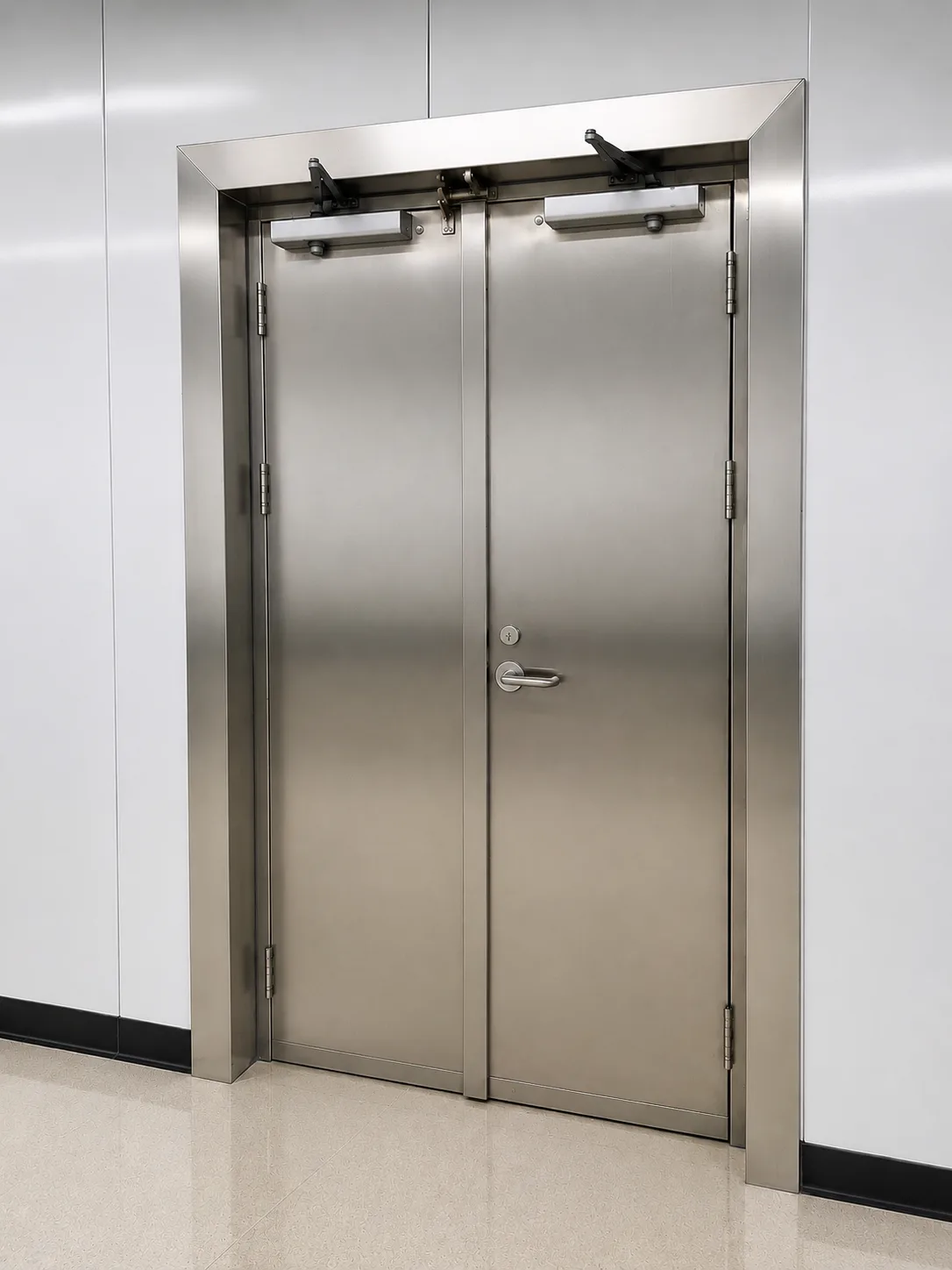
Fire Rated Roller Shutter Size
The fire rated roller shutter sells widely in fire safety because it fits more openings every year. There is no fixed size chart—each unit is made to order, so the fire rated roller shutter size follows your opening.
Fire Rated Shutter Material Options
Best material depends on the opening. The main builds: composite steel (fire and smoke), inorganic premium (double track, double curtain), steel composite with water-mist spray, steel composite side-coiling, steel composite horizontal, inorganic premium folding, and versions with a mid-curtain pass door.
By opening method you get manual or electric. Manual relies on a torsion spring on the shaft. Electric uses a dedicated motor and stops at set limits on its own.
By curtain material the range covers inorganic fabric, mesh, aluminum, crystal, stainless steel, color steel, and reinforced wind-resistant slats.
Fire Rated Shutter Material Installation
The fire rated shutter material installation steps start with measuring the opening, then fixing the tracks, then hanging the curtain and wiring the motor. For mounting, you can set the shutter in-wall or beside the opening, inside or out. It rolls from the top or the side. People use these for ordinary, wind-resistant, fire rated, high-speed, and quiet Australian-style electric doors, among others.
RHIDOOR’s installed units earn good feedback. The door pushes up or rolls to the side, resists forced entry, and fits inner, outer, or middle mounting to match the building. The look stays clean and modern.
One reminder: know your opening size before you buy, because shutters are made to measure. RHIDOOR can send someone to measure on site at no charge. We build fire rated roller shutters to order with a 15-day lead time and an MOQ of 1 pc, and we provide on-site guidance, not just a product. Call +86 18938501256 or email ruihua@rhidoor.com.
Products
- Fire Rated Roller Shutter — Product Card 1
- Fire Rated Roller Shutter — Product Card 2
Related Articles
- Fire Rated Roller Shutter Quality and Where to Install
- Aluminum Alloy Roller Shutter Profiles and Installation
- Quality Requirements for Steel Fire Rated Shutter Curtain Plates and Lintels
- Material Knowledge and Function to Know Before Buying a Fire Rated Roller Shutter
Ready to Upgrade?
Ready to upgrade your facility? Our team will help you spec the right RHIDOOR door for your site. Call +86 18938501256, message wa.me/8618938501256, or email ruihua@rhidoor.com. Contact Us Today